

An engaging and educational museum experience.
The Museo delle Genti D'Abruzzo traces the history of man in Abruzzo from his first appearance as a Paleolithic hunter, highlighting the contribution made by Italic tribes to the rise of Rome, and a quick overview shows how much of this past has been handed down to us in terms of customs, beliefs, places of worship, productions, objects, and forms.
The central theme of the Museum, organized into 16 large exhibition halls, is the concept of continuity, of cultural persistence, illustrated through multimedia equipment, educational workshops, a library, photo archive, audio archive, restoration workshops, storage areas, exhibition halls and an auditorium, totaling 3,500 square meters.
WHERE?
Via delle Caserme, 24, 65127 Pescara PE
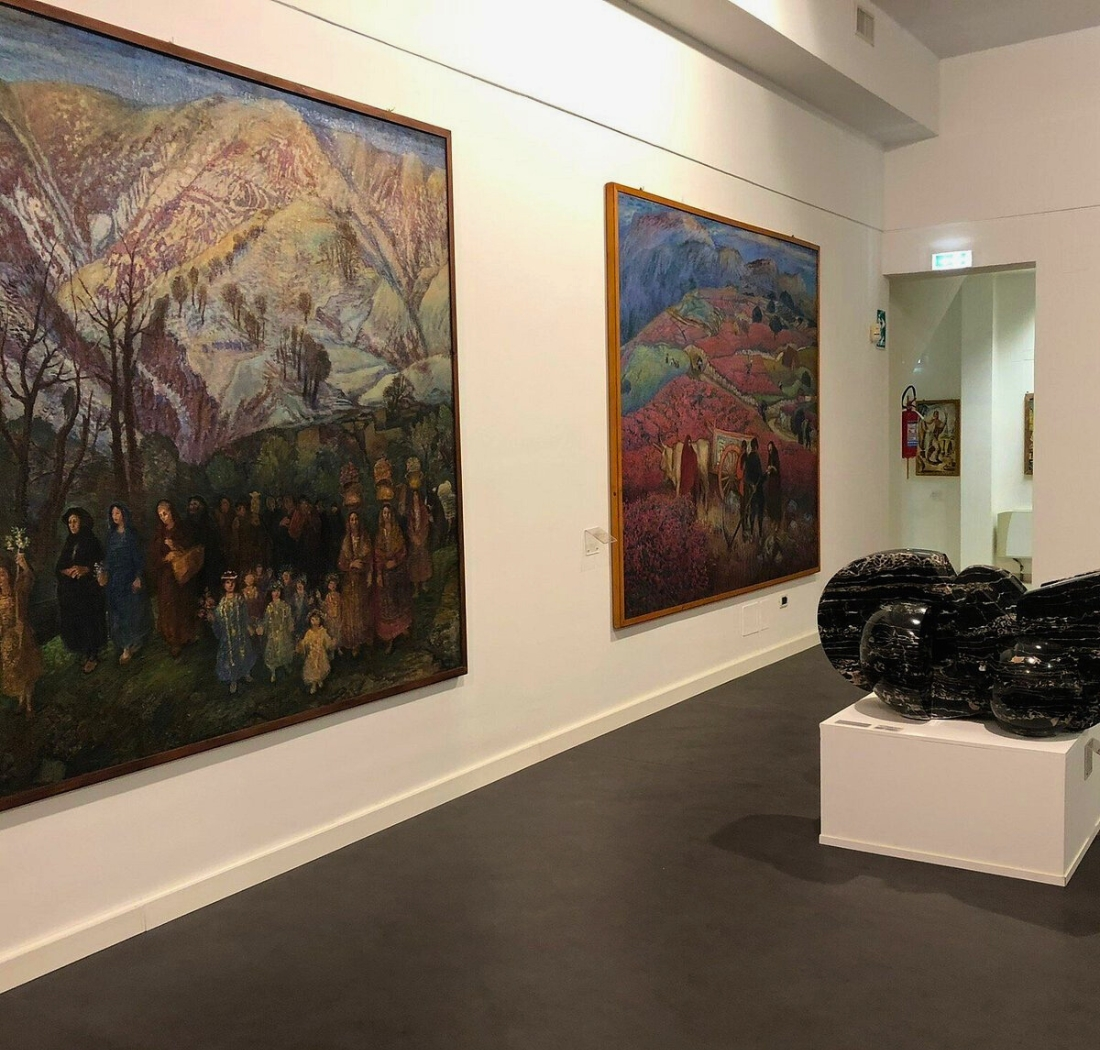
The Museo Civico Basilio Cascella in Pescara is housed in the chromolithographic establishment built in 1895 by Basilio Cascella, founder of a celebrated family of artists distinguished by a multifaceted production of styles and genres. The building is located in the Porta Nuova district, which today represents the beating heart of the city. Once a family residence and meeting place for intellectuals such as d'Annunzio, Pirandello and Pascoli, the villa was donated to the Municipality in 1966 and inaugurated as a house-museum in 1975.
The museum preserves more than 600 works by the Cascella family, created between the 19th and 20th centuries, ranging from late 19th-century verismo to symbolist openings as in Basilio's masterpiece Il bagno della pastora. The collection includes paintings, sculptures, ceramics, lithographs and also photographs, the fruit of the creativity of Basilio, his sons Tommaso, Michele and Gioacchino, and his grandsons Andrea and Pietro. Members of the fourth and fifth generations today carry forward the precious legacy of their fathers with new figurative languages: Tommaso Jr., Jacopo, Marco, Matteo Basilè and Davide Sebastian.
WHERE?
Viale G. Marconi, 45, 65126 Pescara PE
NATIONAL MUSEUM OF CINEMA
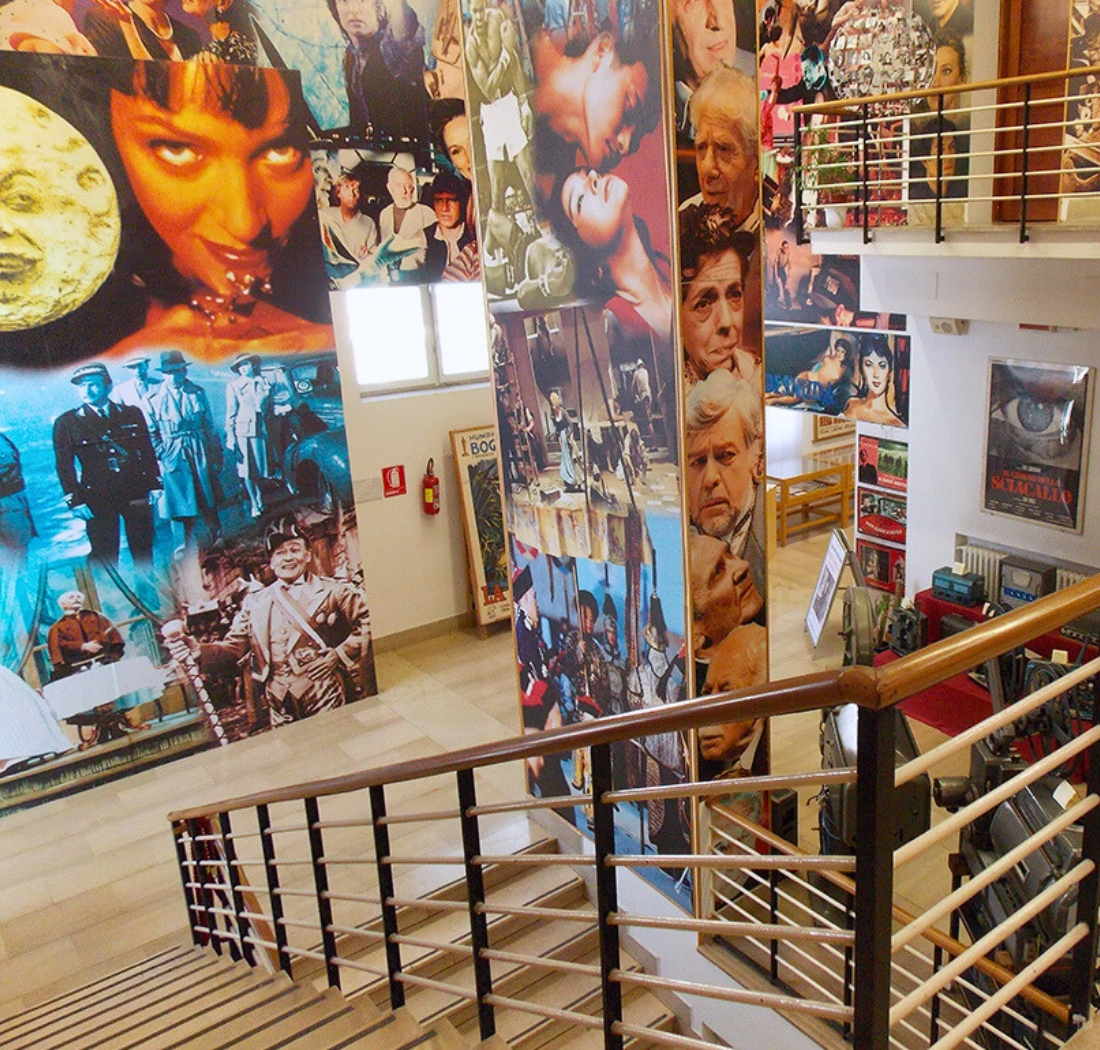
The Mediamuseum, the national museum of cinema, was established in Pescara in 1995 on a celebratory occasion, the centenary of the birth of cinema. The availability of new spaces has allowed the expansion of the exhibition section in the fields of cinema, theater, and television.
The Mediamuseum, a highly evocative multimedia venue capable of linking the past and present with the future of audiovisual imagery, does not present itself to visitors simply as a collection of memory artifacts but as a vibrant center of activity, hosting daily cinema workshops, theater courses and meetings on the performing arts. The Mediamuseum also runs the Mediamuseum Project for children, curated by actors, animators, and artists with a very varied program that includes:
- Puppet shows
- Animated readings
- Storytelling
- Animated video offerings
- Shows combining cinema and theater
WHERE?
Piazza Emilio Alessandrini, 34, 65127 Pescara PE
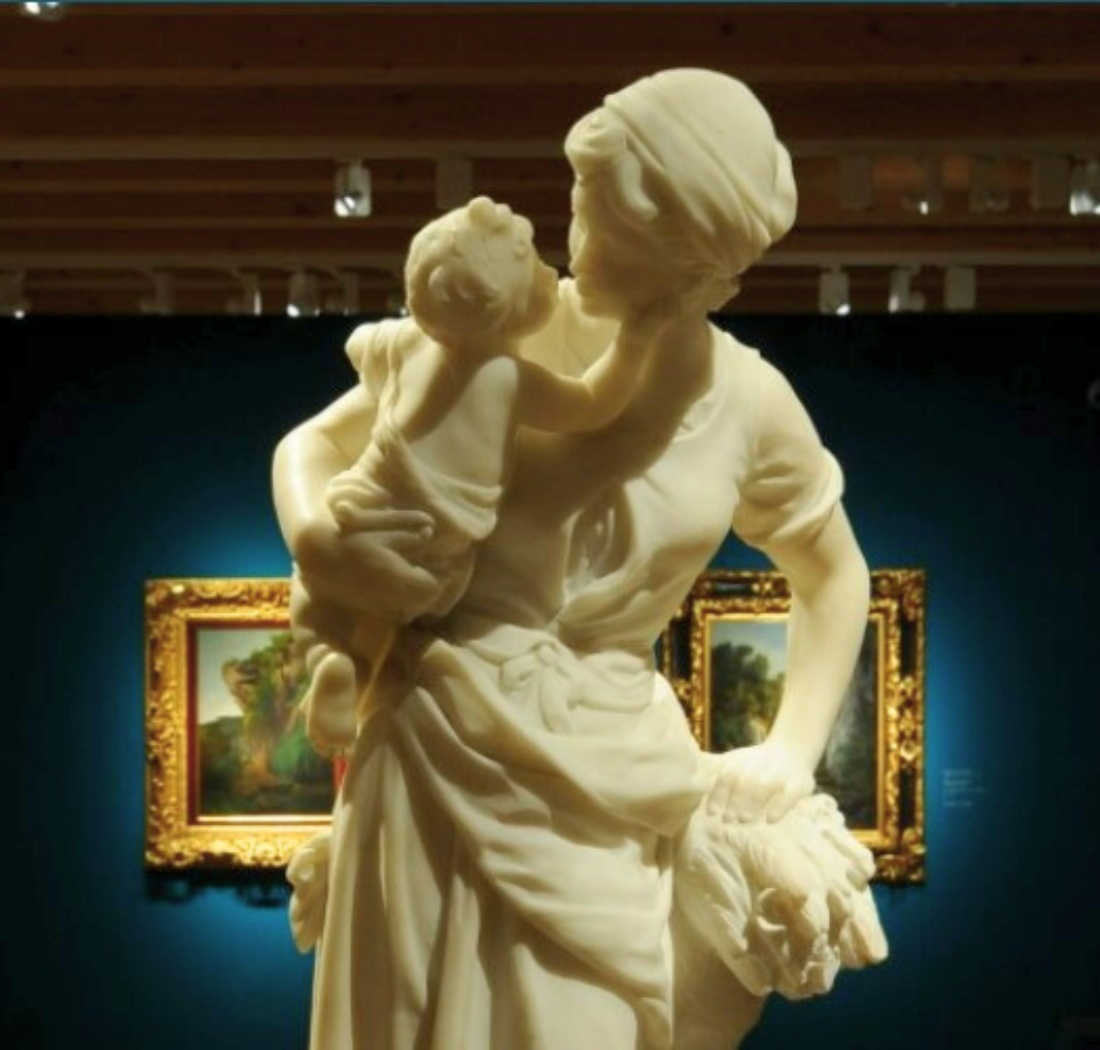
Inaugurated on September 18, 2021, the Museo dell'Ottocento preserves and makes available to the community the collection of the Di Persio couple, who over approximately 35 years have assembled more than 260 works related to the Neapolitan school and the Barbizon School.
The building dates back to around 1925, formerly the headquarters of the Bank of Italy and later the Savings Bank of Pescara and Loreto Aprutino. Having fallen into disuse for several years, the building was purchased by the Di Persios in 2010 and entirely restored and adapted to its new function according to the most up-to-date museum standards. As with some architecture from the same period, the building adopts a series of stylistic elements drawn from Renaissance and Baroque palaces.
The collection is displayed on 3 floors, through 15 exhibition rooms organized by themes, schools and trends. Special mention goes to the frames, ranging from the 16th to the 19th century, the result of careful and refined selection by the Di Persio couple aimed at enhancing the works.
At the entrance to the Museum is the library consisting of over three thousand volumes mainly concerning the visual arts of the 19th century, with particular regard to the artists present in the collection. In addition to monographs, periodicals and catalogs of more recent temporary exhibitions, there are numerous sales catalogs of collections formed between the late 19th and the first half of the 20th century. Embellishing the space are the imposing Baroque frame and a painting by the symbolist painter Eugène Carrière portraying his daughter Nelly.
WHERE?
Viale Gabriele D'Annunzio, 128, 65127 Pescara PE
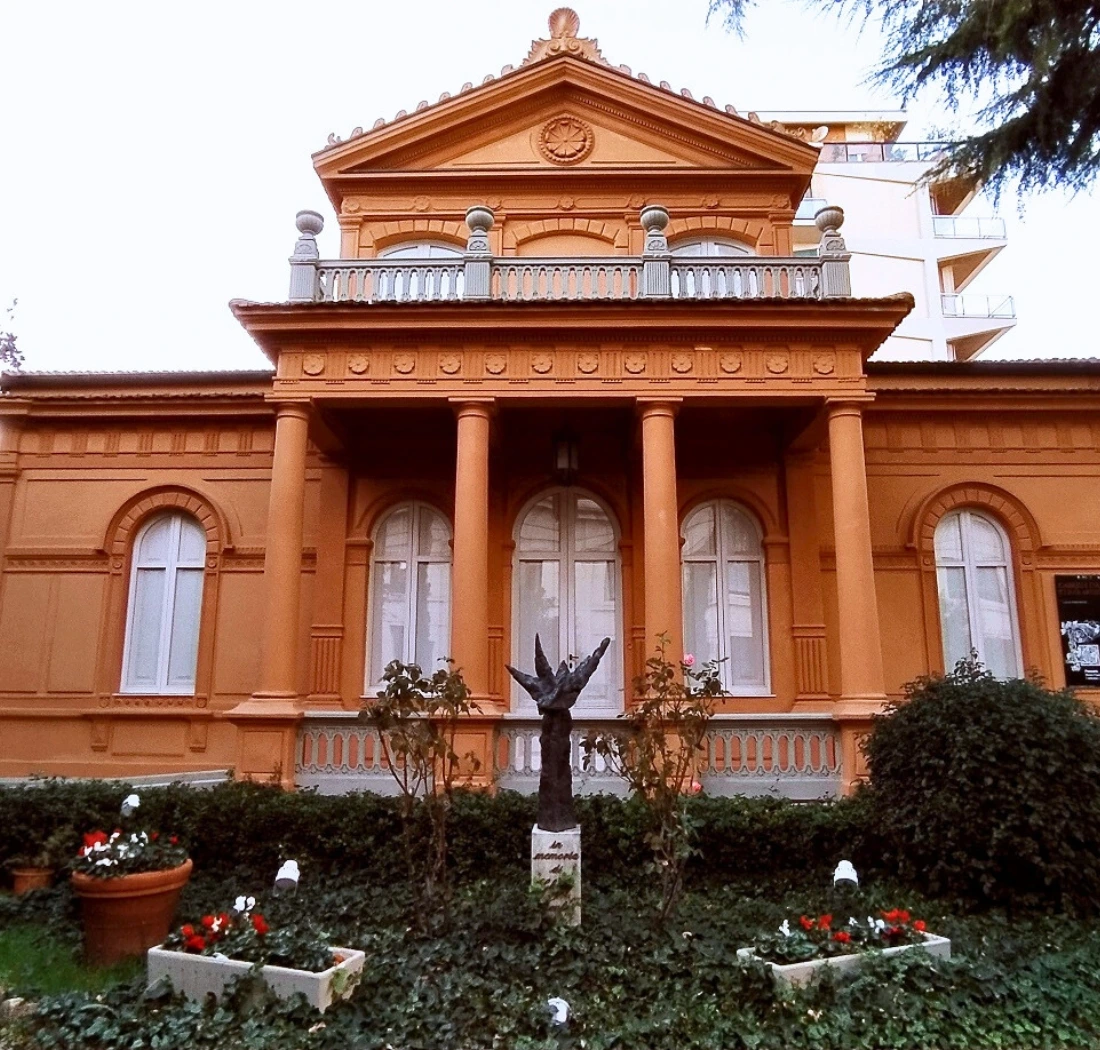
The Museum is housed in a 19th-century eclectic-style villa located in the heart of Pescara, bordering the central Piazza della Rinascita. Inside is the Paparella Treccia Devlet Collection, the result of 40 years of research and study by Professor Raffaele Paparella Treccia, who donated the collection and the villa to a foundation named after him and his wife Margherita Devlet.
The collection consists of 146 selected masterpieces of artistic majolica from Castelli, arranged in chronological order, works by the greatest Castelli masters active between the 16th and 19th centuries, including Francesco Grue (1618-1673), his son Carlo Antonio (1655-1723) and his grandson Francesco Antonio Saverio (1686-1746), as well as the principal exponents of the Gentili, Cappelletti and Fuina families. The decoration of the ceramics documents the transition from the "compendiario" style, characterized by essential elements, to the "istoriato" style featuring historical, allegorical, mythological and hunting scenes. Among the most valuable works are a Baroque-era service, consisting of 19 pieces bearing the coat of arms of the patron, the prelate Carlo Vincenzo Ottoni, executed in the workshop of Francesco Grue, and masterpieces by Carlo Antonio Grue, among which stand out the plate depicting the famous Susanna and the Elders by Annibale Carracci, and two fine console vases commissioned by Prince Eugene of Savoy.
The Museum also preserves a series of precious engravings and several oil paintings, including a late Gothic Nativity attributed to the Master of the Imola Triptych from the 15th century, a self-portrait dated 1711 by Pietro Santi Bambocci and a watercolor on paper by the Roman artist Pio Joris from 1867.
WHERE?
Viale Regina Margherita, 1, 65122 Pescara PE
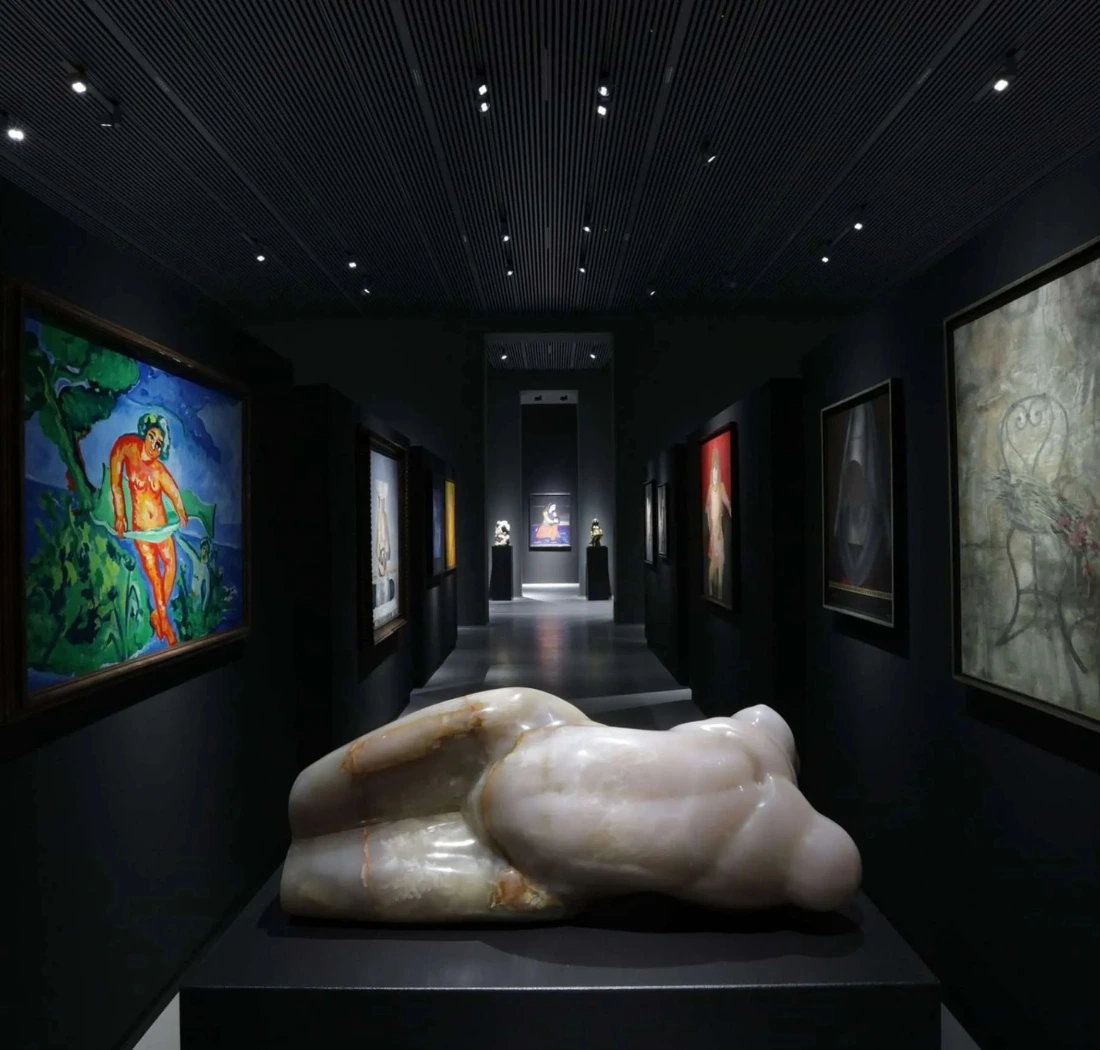
In the heart of Pescara, between Corso Vittorio Emanuele II and Piazza Sacro Cuore, the three floors of the historic former Banco di Napoli building house the Imago Museum – Museum of Modern and Contemporary Art: 1,200 square meters of exhibition space with permanent collections and temporary exhibitions. Purchased in 2013 by the Fondazione Pescarabruzzo and transformed into a museum complex. After significant restoration and refurbishment work, the museum opened in February 2021 with the temporary exhibition Andy Warhol and Mario Schifano, between Pop Art and Classicism, displayed across two areas of the museum, HALL and FLOOR C, featuring a substantial body of works by Andy Warhol and many previously unseen works by Mario Schifano. Shortly after, two other rooms with permanent collections were inaugurated: the FLOOR A room dedicated to the collection of Scandinavian Impressionists of Abruzzo, which represents the largest exhibition of Danish art in Italy, and FLOOR B with the room dedicated to the exhibition of 20th-century figurative artists, titled Art, Image and Truth, 130 works from the 20th century centered on the theme of historical reality donated by Alfredo and Teresita Paglione. The building that now houses the Imago Museum was built in 1933 to house the General Directorate of the Banco di Napoli. Among the finest examples of Italian Rationalism, the building is distinguished by its linear forms and volumes, perfectly embodying the spirit of that architectural movement, whose principles were the pursuit of functionality, the rejection of decorative elements, the enhancement of essential structures through the predominant use of technology, adherence to simplicity of volumes, thus creating a free constructive art suited to human needs. An urban jewel, whose renovation strongly desired by the Fondazione Pescarabruzzo, has finally been the opportunity to restore architectural and urban dignity to the building and dedicate it to the reinterpretation of past and contemporary artistic trends.
WHERE?
Corso Vittorio Emanuele II, 270 - Pescara, IT
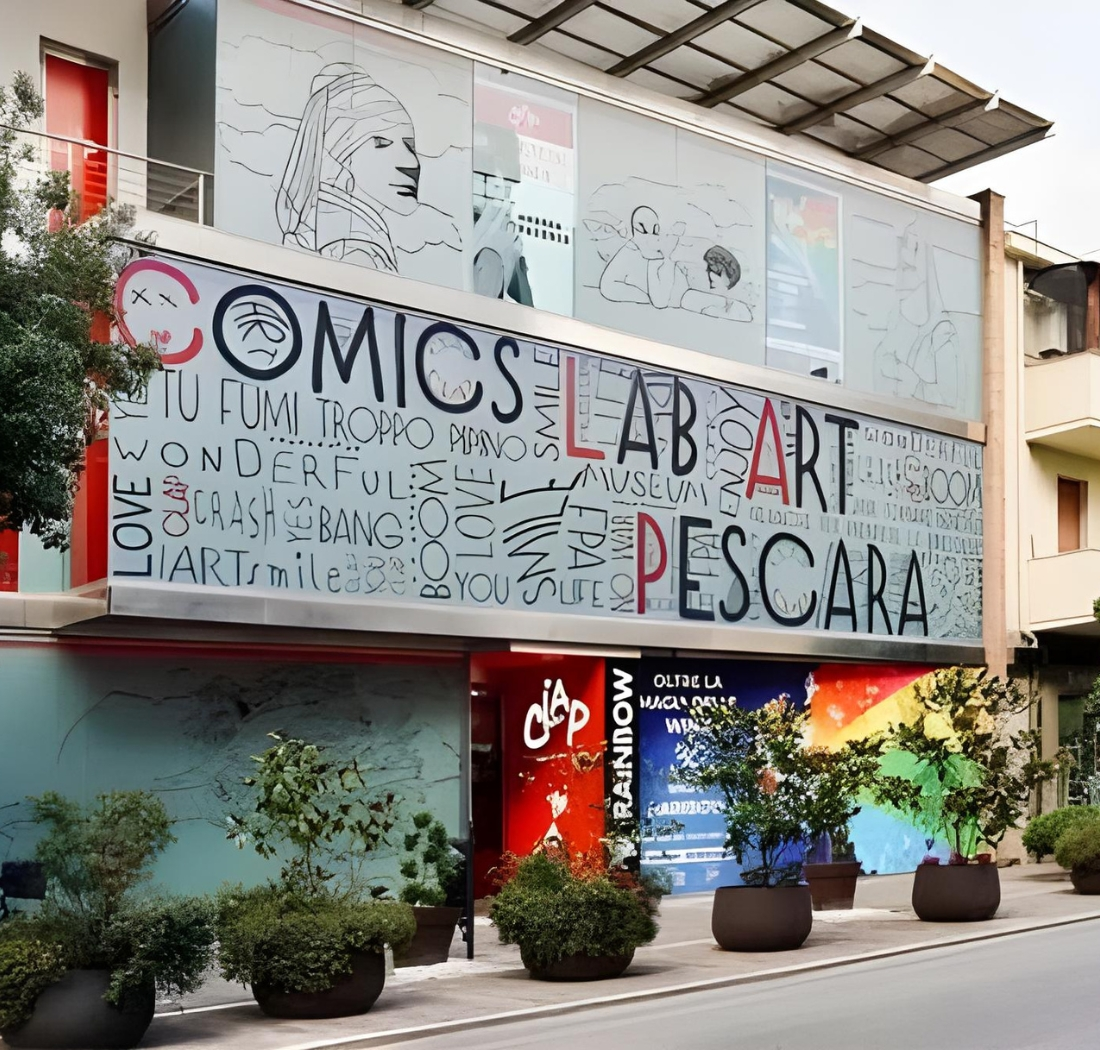
The CLAP (Comics · Lab · Art · Pescara) is the first Italian museum entirely dedicated to Comics. Four floors of glass and steel wrapped by a large spiral staircase guide visitors on an evolutionary journey through the Ninth Art.
Its mission is to preserve, study and tell the story of this contemporary language, offering research and training spaces open to all generations.
Each level of the CLAP Museum offers a different experience: permanent exhibitions, temporary shows, workshops.
The idea of a static museum gives way to a true Comics Staircase, a creative hub in constant motion that connects artists, scholars and the public, to elevate – or launch – the Ninth Art.
The heart of our permanent collection is Andrea Pazienza: over 300 original works to enter the visionary world of one of the most iconic authors of Italian comics, from early sketches in school notebooks to the cult pages of Zanardi.
WHERE?
Via Nicola Fabrizi, 194 - Pescara, IT
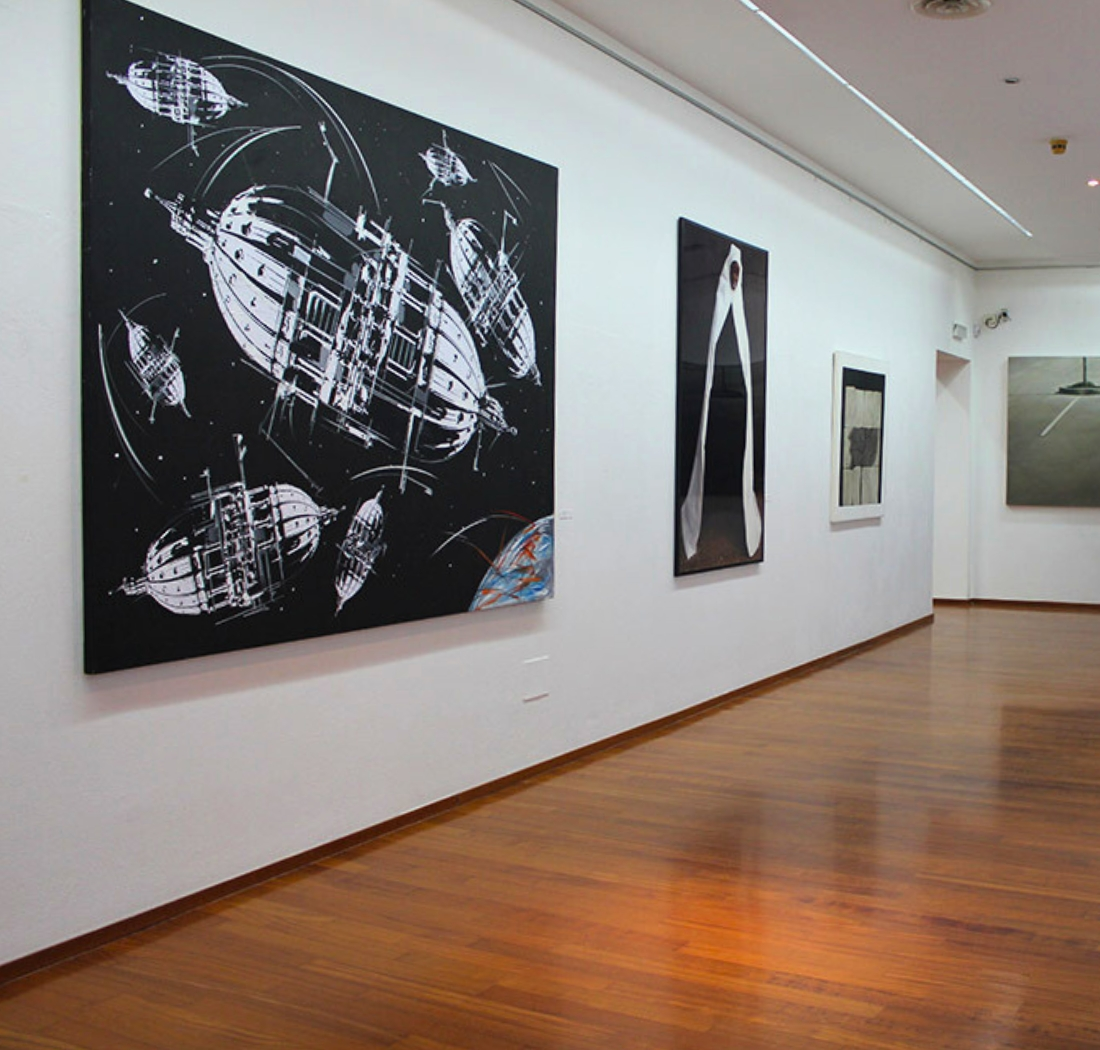
Museum of Modern and Contemporary Art "Francesco Paolo Michetti"
Historical memory and artistic identity of the territory.
A historic Abruzzese cultural center, it preserves works and testimonies related to Francesco Paolo Michetti and the regional artistic tradition.
WHERE?
Piazza San Domenico, 1 - Francavilla al Mare | Chieti, IT
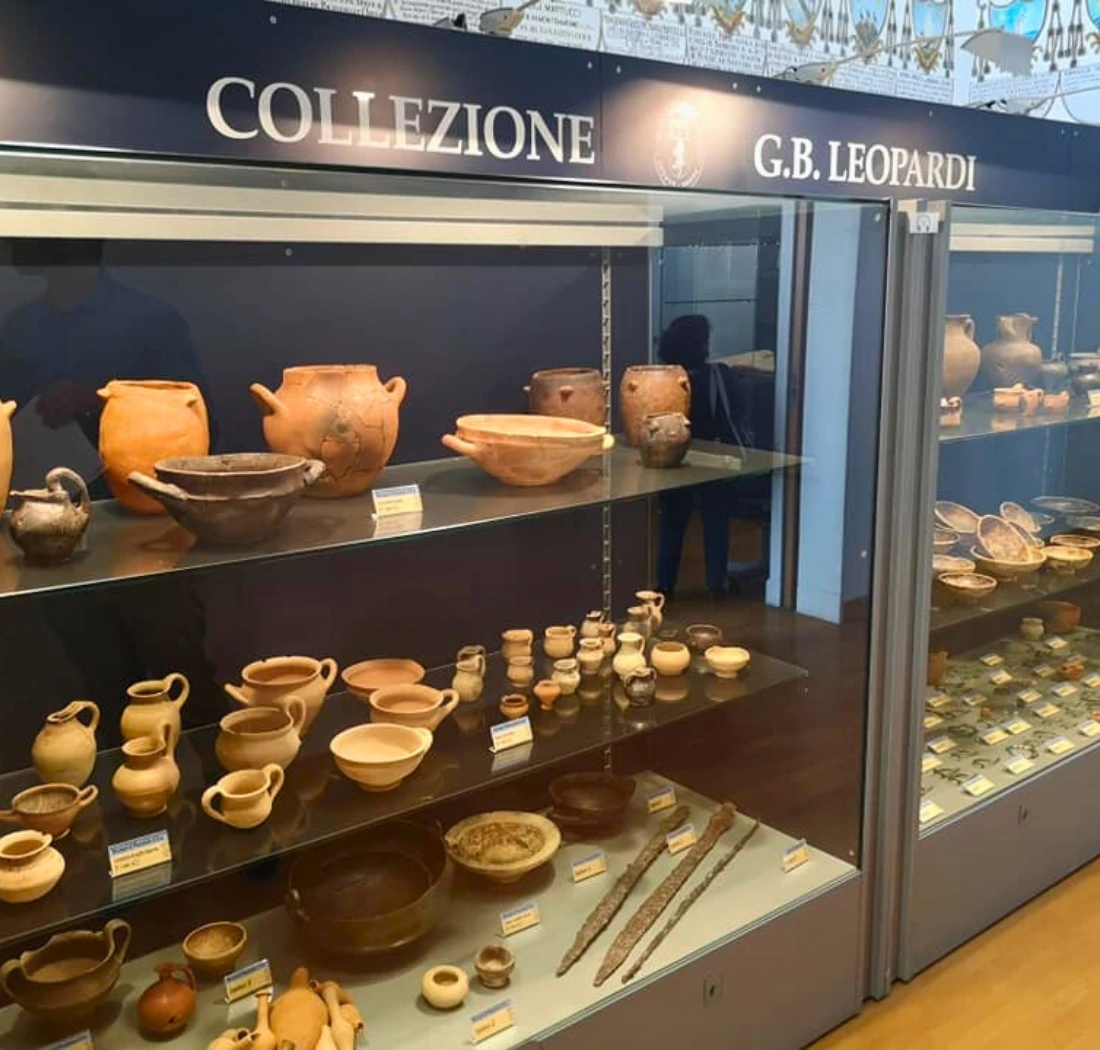
Musei Civici di Penne - Museo Archeologico Civico Diocesano G.B. Leopardi
The Museo civico diocesano is a museum located in Penne, in the province of Pescara, managed by the Archdiocese of Pescara-Penne and founded in 1978.
It is housed in rooms adjacent to the crypt of the Penne cathedral (entrance and courtyard, crypt, silver room, picture gallery, codex room and vestments room), specially restored.
The materials on display include paintings from the late 13th to the 18th century, sculptures from the 12th to the 18th century, precious liturgical objects from the 14th to the 19th century, codices from the 14th to the 18th century and episcopal vestments from the 16th-18th century.
Particular mention goes to the head of a Roman-era statue, a Deposed Christ by the Master of Tivoli (13th-14th century), a Madonna with Child and Saint and a Crucifixion attributed to the Master of Offida (14th century), a Madonna del Latte attributed to the workshop of Arnolfo di Cambio (14th century), the altarpiece of San Giovanni by the painter Samberlotti di Montorio (dated 1617), Saint John writing the Apocalypse by Battista Gamba (18th century), and a series of portraits of ladies and Knights of Malta from Penne (16th-18th century). The tour includes the vaulted and frescoed cathedral crypt from the 14th-15th century.
WHERE?
Piazza Duomo, 8, 65017 Penne PE
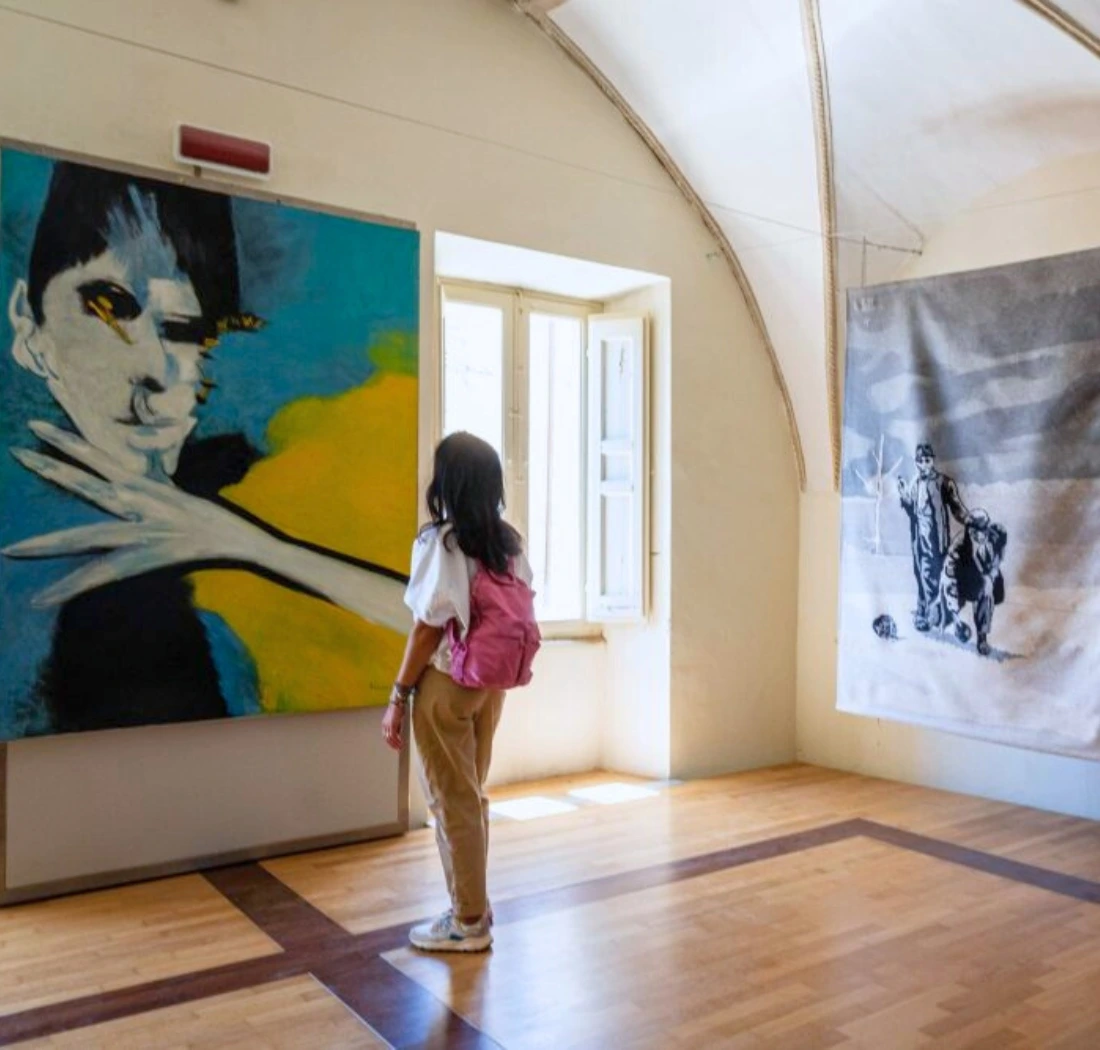
MAMeC – Museum of Modern and Contemporary Art
Inaugurated in 2011, the MAMeC is housed in the splendid Ferdinando Castiglione palace. Located on the Cathedral hill, the building features a 16th-century portal on the square of the same name and a 17th-century one on Via Muzio Pansa. The facade is enriched by a balcony with a bulging iron railing, pediment windows and the imposing portal that leads into the entrance hall, from which the grand staircase providing access to the various apartments unfolds.
Built in the late 16th century, it was renovated at the end of the 17th century by Ferdinando Castiglione with the addition of the wing that houses the museum, thus giving his name to the palace. At the end of the 19th century, Ginevra Castiglione brought as dowry to her husband Saverio De Leone the apartment in whose beautiful rooms it is now possible to admire the works of Remo Brindisi and those of the rich Galluppi collection. The project transformed the main floor into a museum venue, trying not to intervene on the original wall structures.
The exhibition route of the MAMeC comprises three sections: the first two dedicated to Remo Brindisi, the other to the Galluppi collection. In 1992, Remo Brindisi himself donated to the city a series of works of high artistic value, many of which are exhibited for the first time in Penne. A second section also dedicated to Brindisi consists of works donated by the Di Fabrizio-Savini family, who were bound to the master by a deep friendship. The third section consists of the 2003 donation by Giovanna Vallauri and her daughter Teresa of the collection of Enrico Galluppi, an eclectic and multifaceted intellectual who, through his collection, provides us with an important overview of 19th-century painting and the first half of the 20th century. Some works from the Galluppi Collection, still under study, are displayed in a dedicated room with sliding wooden panels, available to the public for viewing.
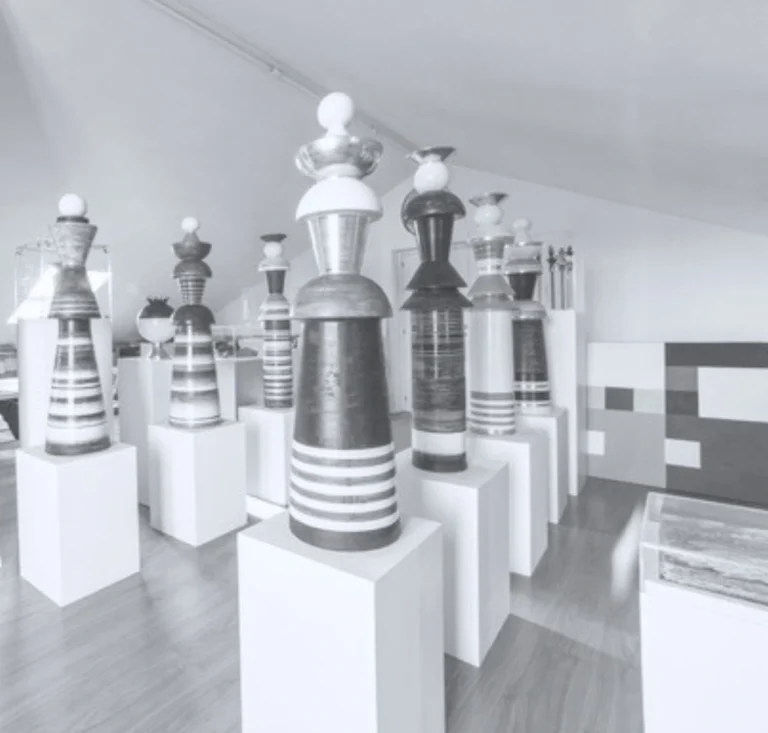
Inside the MAMeC there is also a room with contemporary art tapestries woven between 2015 and 2016 based on sketches by the artists Mario Costantini, Andrea Mastrovito, Matteo Nasini, Gino Sabatini Odoardi and Marco Appicciafuoco. Finally, we have the donation by Salvatore Fornarola which includes modular terracotta columns by the Penne artist. Not to be missed: the tapestries, the works of Remo Brindisi, Nicola, Filippo and Giuseppe Palizzi, Osvaldo Bigioni, Filippo De Pisis, Mario Mafai, Ennio Morlotti, Enzo Brunori, Luigi Montanarini, Orfeo Tamburi, Vincenzo Gemito, Giacinto Gigante, and many others.
WHERE?
Via Muzio Pansa, 37, 65017 Penne PE
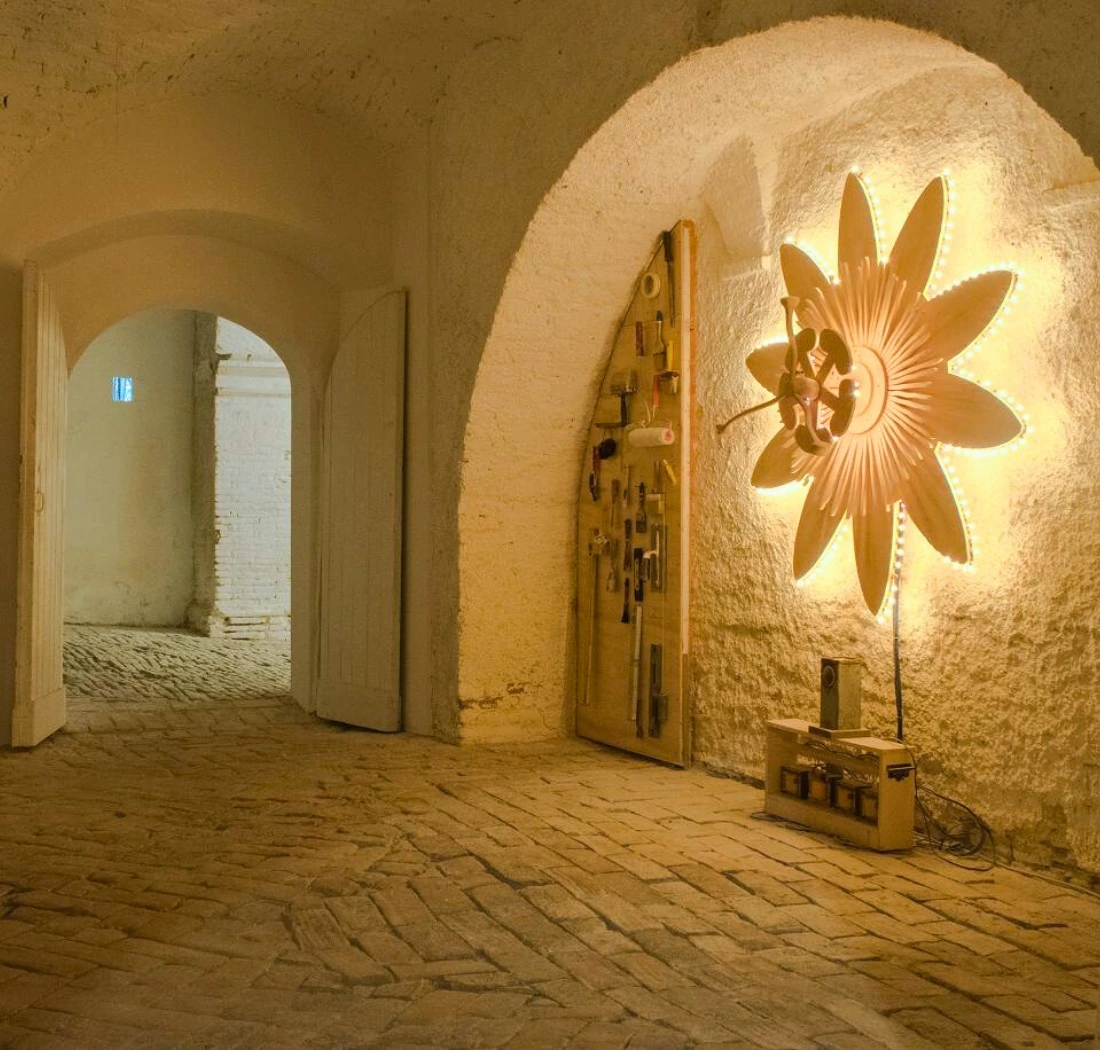
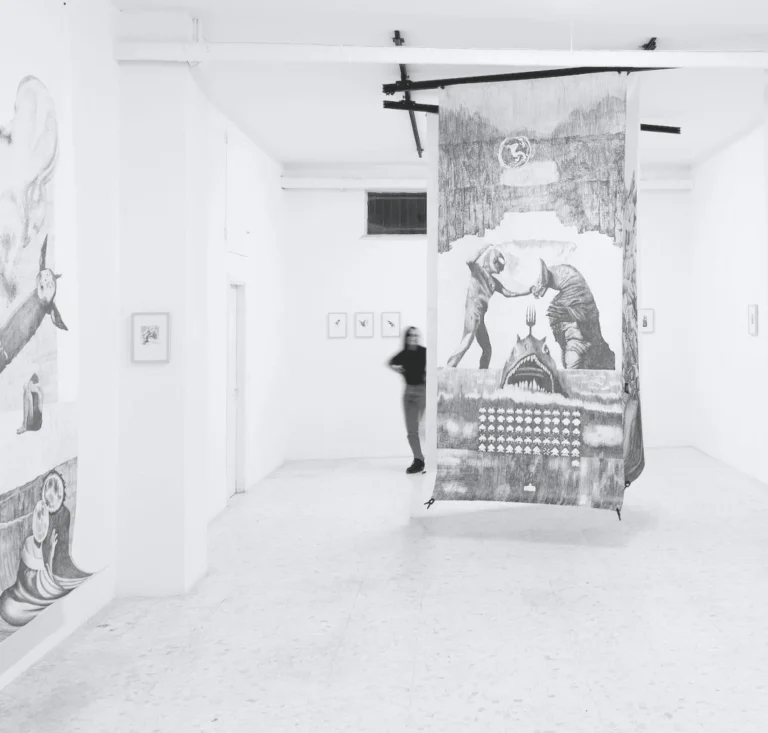
Established by the will of the Municipal Administration of Città Sant'Angelo in 1998, which provides its funding, and recognized by the Abruzzo Region in 2002, the Museolaboratorio is located within the "ex Manifattura Tabacchi" complex and also thrives thanks to occasional sponsorship from private companies, but above all through the generous contribution of time and energy from many artists and friends of art. In 2001, under the new direction of the artist Enzo De Leonibus, the Museolaboratorio pursues the aim of always keeping the existing space open as a laboratory for experimentation and research, useful for all possible expressions of contemporary visual art. The Museolaboratorio is a meeting and working place for artists, before being an exhibition venue, and wishes, as Enzo De Leonibus writes, to create an important relational climate that is crucial for the life and planning of the Museolaboratorio, which thus becomes a reference point for contemporary art, a sort of necessary no-man's-land for modulating and realizing projects and obsessions. Since 2002, the Museum has initiated continuous activity, thus achieving what had been hoped for since its inception, which occurred with a forward-looking spirit and a mix of cultural passion and political choices that have managed, over the years, to transform this adventure into a reference point and established place where the aim is to trace new paths, outline new horizons, indicate new goals, build the identity of the cultural and artistic heritage for the world of contemporary art, especially for artists, cultural operators and the privileged public.
WHERE?
Vico Lupinato, 1 - Città Sant'Angelo, Pescara, Abruzzo, 65013, IT
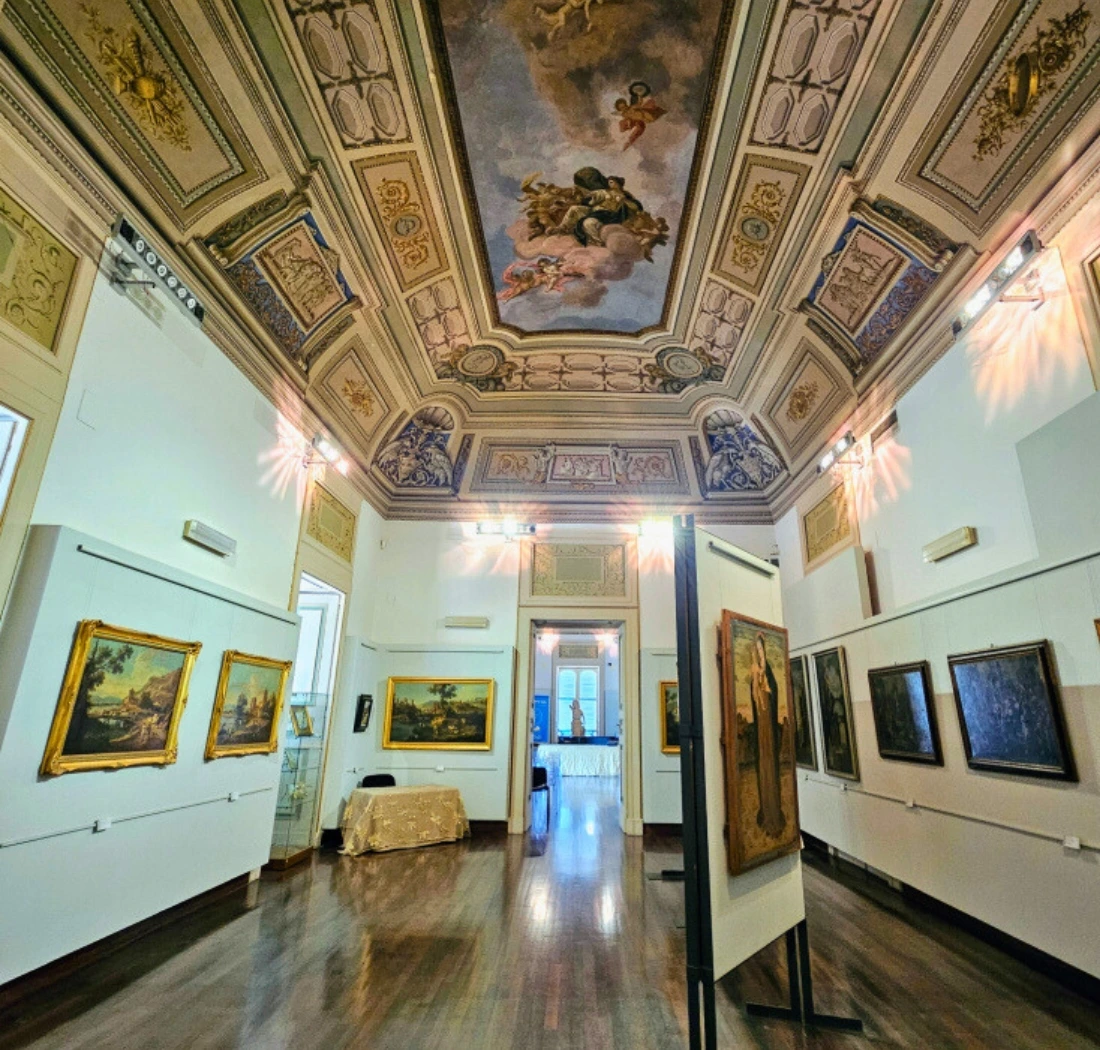
Museo d'Arte Costantino Barbella
The Barbella art museum, housed in the 17th-century Palazzo Martinetti in the historic center of Chieti, was established in the 1970s thanks to substantial donations from contemporary artists and works from churches and convents in Chieti. The collection is divided into 5 sections: pictorial works from the 15th to the 19th century, the sculptures of Barbella, drawings on paper, the painting works from the Michetti Prize and the majolica from Castelli.
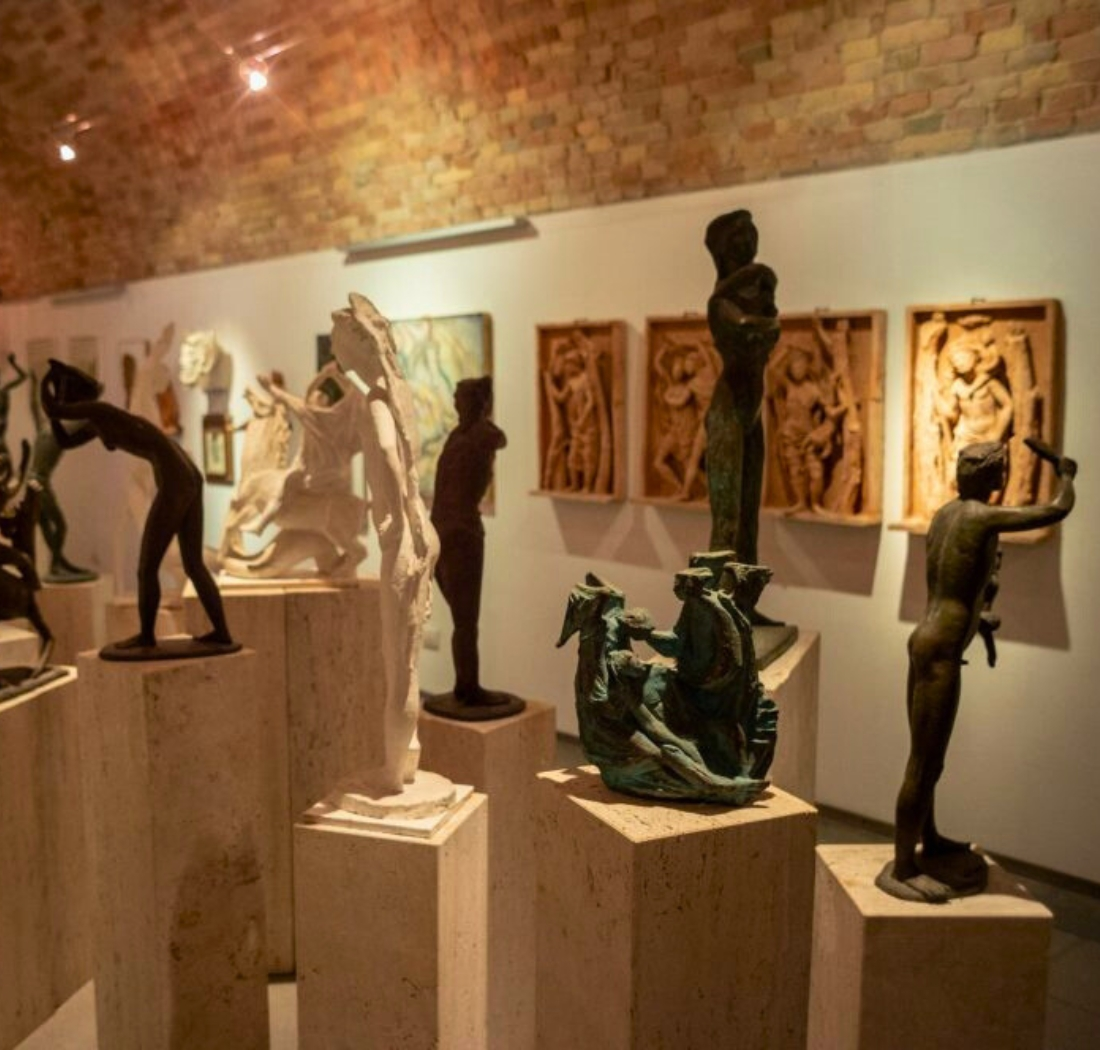
In the first part of the route, dedicated to painting, the frescoes from the destroyed church of San Domenico in Chieti are displayed, some 15th-century panels, a large group of Neapolitan canvases (17th-18th century) and 19th-century paintings, including works by the Abruzzese artists Cascella and Michetti. The second section displays the sculptures of Costantino Barbella from Chieti: sketches and terracottas representing the agro-pastoral world, and some bronzes, including the funerary sculpture La morte. The third section preserves works on paper from the 18th-19th century; ranging from the Bibiena's scenic sketches to watercolors reproducing the typical costumes of the Abruzzese people. The fourth section displays on rotation works from the Michetti National Painting Prize of Francavilla al Mare (CH) and the Paglione donation, dedicated to contemporary art. The last room contains the majolica collection of Prof. Paparella-Treccia, dedicated to the major exponents of ceramic production from Castelli.
WHERE?
Via Cesare de Lollis, 10, 66100 Chieti CH